


Scientists Identify the Most Bitter Compound Ever Found in Nature
In a groundbreaking discovery, scientists have identified the most bitter compound ever recorded in nature, and surprisingly, it comes from a seemingly ordinary bracket fungus found in forests across the Northern Hemisphere.
🔬 A New Level of Bitterness
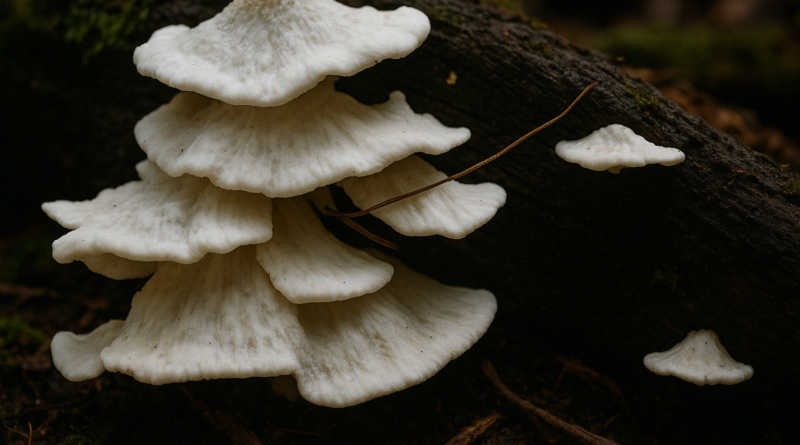
The compound, named oligoporin D, was isolated from Amaropostia stiptica, a whitish, bumpy fungus previously overlooked in the scientific world. Researchers from Germany’s Leibniz Institute for Food Systems Biology discovered that this chemical can activate human bitter taste receptors even at nanomolar concentrations — levels as low as one part per billion.
Of the 25 known human bitter taste receptors, oligoporin D strongly stimulates TAS2R46, one of the most sensitive receptors in the body.
🧪 Just 1 Gram Can Bitter 100+ Bathtubs
To put its potency into perspective:
-
Only 63 micrograms per liter are enough for the bitterness to be perceptible.
-
Just one gram of oligoporin D is strong enough to make 106 full bathtubs of water taste bitter.
Dr. Maik Behrens, a biologist at the Leibniz Institute, emphasizes how such findings reshape our understanding of how the human body processes bitter compounds — not just through taste but physiologically as well.
🧠 Beyond the Tongue: A Whole-Body Reaction
One of the study’s most fascinating insights is that bitter taste receptors aren’t limited to the mouth. They are also found in the:
-
Stomach
-
Intestines
-
Heart
-
Lungs
-
Certain blood cells
This suggests that bitter compounds may play broader biological roles, possibly affecting digestion, immunity, and cardiovascular function.
⚠️ Bitterness Doesn’t Always Mean Toxicity
Contrary to popular belief, intensity of bitterness does not equate to toxicity. For example:
-
The deadly Amanita phalloides mushroom is nearly tasteless.
-
Meanwhile, Amaropostia stiptica‘s bitterness may be harmless despite being overwhelmingly intense.
💡 Implications for Food, Medicine & Biotechnology
This research opens new doors for:
-
Developing bitterness blockers
-
Understanding digestive health
-
Engineering functional foods
-
Designing targeted pharmaceuticals
The ability to decode how our bodies respond to extreme bitter compounds like oligoporin D could revolutionize how we perceive — and harness — bitterness.