


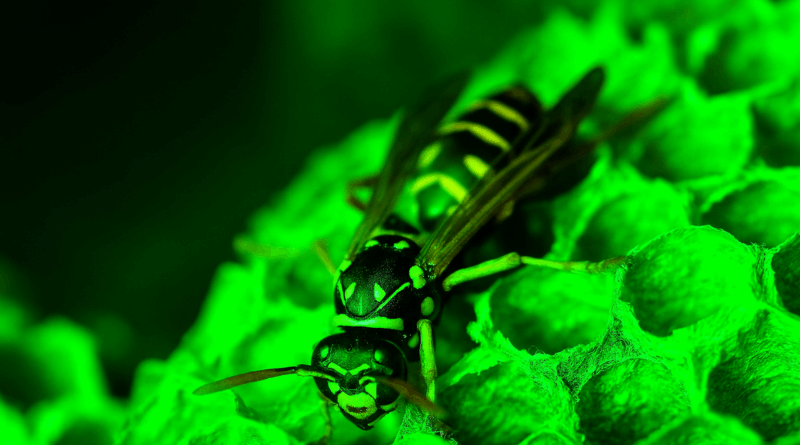
Radioactive Wasp Nests Discovered at Former U.S. Nuclear Weapons Site
In March 2025, workers at the Savannah River Site—a sprawling 800 km² nuclear facility in South Carolina—made a disturbing find: wasp nests so radioactive they exceeded safe exposure limits by more than tenfold.
The site, owned by the U.S. Department of Energy, was built in the 1950s to produce plutonium and tritium for hydrogen bombs. Though weapons production ended decades ago, the Cold War’s nuclear legacy still lingers in its soil, structures, and—apparently—in its insects.
☢️ How Dangerous Were the Nests?
Testing showed the nests registered about 100,000 disintegrations per minute per 100 cm²—well above the federal safety threshold. The wasps were exterminated, and the nest was bagged as radiological waste.
A newly released report stated that no surrounding soil contamination was detected, adding that reporting was delayed to compare the incident with past wildlife contamination cases.
🏭 The Nuclear Legacy of Savannah River
At its peak, the Savannah River Site was a cornerstone of America’s Cold War nuclear weapons program, manufacturing plutonium and tritium for hydrogen bombs.
Since 1992, its focus has shifted to:
-
Environmental cleanup of radioactive waste
-
Processing surplus plutonium for disposal
-
Managing spent nuclear fuel from reactors worldwide
Yet, the cleanup is a monumental task: 43 underground tanks hold 34.5 million gallons of radioactive liquid waste, and contaminated soil and groundwater remain an ongoing challenge. Full remediation is not expected until at least 2065.
🐝 How Did Wasps Get Radioactive?
Scientists suspect the insects incorporated contaminated material—possibly from soil or abandoned structures—into their nests. A local watchdog group, Savannah River Site Watch, criticized the official report for not explaining exactly how the wasps encountered the radiation.
While past studies found only low-level radioactive contamination in fish and other local wildlife, the discovery of nests ten times over safe limits is reigniting debate over the environmental risks still posed by America’s nuclear legacy.