

ChatGPT Sparks Viral “AI Action Figure” Trend
A fresh wave of AI-powered digital expression is sweeping across LinkedIn — and this time, it’s packaged in clear plastic, posed to perfection, and accessorized with laptops, coffee mugs, and briefcases.
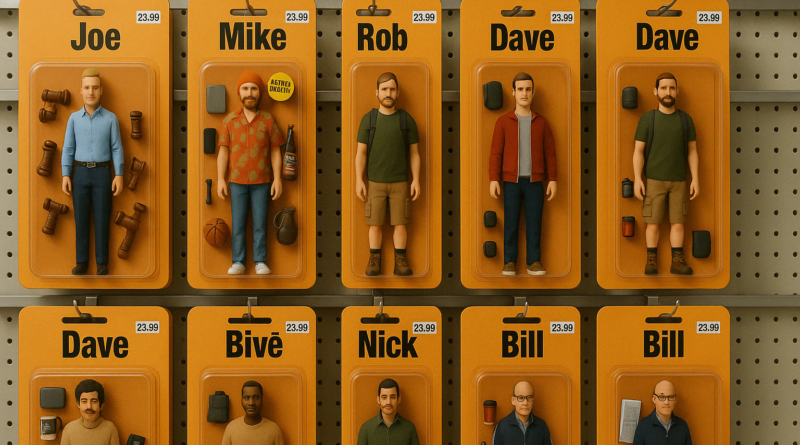
ChatGPT’s latest image generation capabilities, part of the GPT-4o update, have birthed a rising phenomenon: professionals turning themselves into AI-generated action figures. What began as a playful offshoot of the viral Studio Ghibli portrait trend has evolved into a full-blown LinkedIn craze — with users showcasing stylized, doll-like versions of themselves, complete with career-themed accessories and toy-store-worthy packaging.
🧠 Branding, But Make It Barbie
The most popular format mimics a classic action figure or Barbie doll in a boxed display. These digital “figures” come complete with personalized slogans, names, color palettes, and props reflecting the user’s day job — from books and gadgets to lipstick and coffee.
While TikTok, Instagram, and Facebook users are catching on, the movement remains most active on LinkedIn, where marketers, consultants, and creators have embraced the format as a quirky yet strategic branding move. The trend allows them to playfully distill their professional identities into something between a personal avatar and a collectible figurine.
🤖 ChatGPT: The Toymaker Behind the Curtain
The visual trend rides on the back of ChatGPT’s image generation engine, which allows users to upload a full-body image of themselves, then customize prompts to dictate everything from wardrobe to pose. Refinements are common, with users tweaking prompts to better align the figure with their personality or career niche.
Some opt for a nostalgic Barbie aesthetic – think pink glitz and corporate glam – while others lean into minimalism, tech-core, or even high-fashion satire. Whether you’re a project manager or a UX designer, there’s a doll for that.
📈 The Viral Blueprint: Ghibli, Then Dolls
Though not yet at Ghibli-level virality, the action figure trend has proven sticky. Hashtags like #AIBarbie, #BarbieBoxChallenge, and #MiniMeAI are making rounds, drawing the attention of major brands like MAC Cosmetics and NYX, who’ve joined in with their own branded AI figures.
Public figures are starting to enter the frame as well. US Representative Marjorie Taylor Greene recently shared a custom doll of herself, complete with a Bible and gavel — a move met with amusement and mild controversy.
Yet unlike the Ghibli wave, the action figure trend has so far escaped widespread criticism. Instead, it’s earned praise for being both accessible and entertaining.
🔍 Identity Meets Interactivity
What makes this format resonate? Simplicity. Unlike other digital art tools, ChatGPT makes AI creation feel like play, not work. Users need no artistic skill or technical expertise — just a photo, a vision, and a few words. The result? A digital doppelgänger that’s part business card, part joke, and part internet art.
Beyond laughs and likes, the trend is sparking deeper reflection about self-representation in the age of AI. The images blur lines between branding and satire, identity and invention. In a world where everyone is their own brand, the action figure becomes a visual metaphor: posed, packaged, and polished for public consumption.
🧵 From Memes to Meaning
As OpenAI’s tools continue to permeate pop culture, the action figure trend proves that creativity doesn’t require complexity. What began with whimsical Ghibli portraits has now entered toy aisles — at least digitally. And while not every post goes viral, the trend reflects something more enduring: people’s desire to shape how they’re seen, in a world where identity is fluid and pixels can speak louder than words.
So whether you’re an HR director with a blazer and clipboard or a creative director in neon heels and aviators, your AI alter ego is only a few prompts away. Welcome to the future of personal branding — boxed, bold, and powered by ChatGPT.