


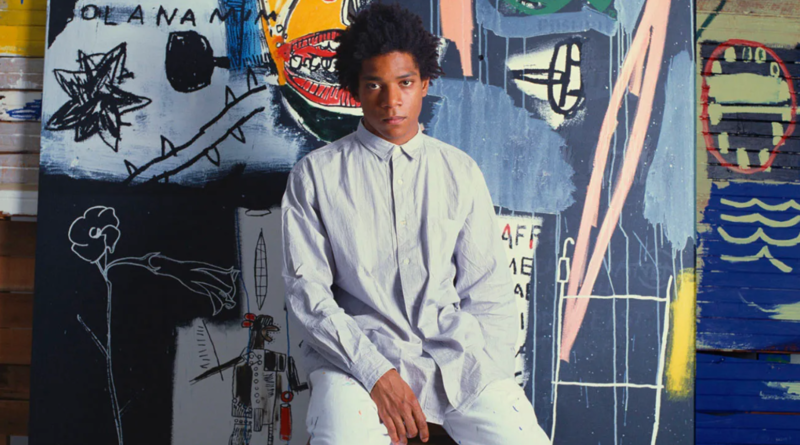
Jean-Michel Basquiat: From Street Artist to Global Icon of Neo-Expressionism
Jean-Michel Basquiat, once an anonymous graffiti artist roaming the streets of New York, became one of the most influential painters of the 20th century, fusing raw street culture with fine art and reshaping the global art scene before his untimely death at age 27.
Rise from Brooklyn to Downtown Manhattan
Born in Brooklyn in 1960 to a Haitian father and Puerto Rican mother, Basquiat was raised in a multilingual, multicultural home that nurtured his early creativity. By his teens, he was already leaving his mark on the streets of Manhattan under the tag SAMO©, a cryptic graffiti persona co-created with friend Al Diaz.
By 1981, his transition from graffiti to canvas captured the attention of New York’s underground art scene, soon drawing comparisons to Andy Warhol and earning spots in major gallery exhibitions.
A Unique Visual Language of Race, Identity, and Power
Basquiat’s signature style combined text, imagery, symbolism, and social commentary, often exploring themes of Black identity, colonialism, capitalism, and the marginalization of African-American historical figures. His work was emotional, raw, and politically charged, infused with references to jazz, boxing, anatomy, and Haitian Vodou.
He was a leading force in the Neo-Expressionist movement, characterized by its bold colors and frenetic brushwork. Despite limited formal training, his intuitive grasp of composition and language made him an international sensation by his early 20s.
Collaboration with Andy Warhol and Meteoric Rise
In 1983, Basquiat began a high-profile collaboration with Andy Warhol, producing dozens of joint pieces. Their friendship and artistic partnership symbolized a clash—and fusion—of eras, styles, and identities.
By the mid-1980s, Basquiat had become one of the youngest artists to exhibit at major international museums, but he also struggled with the demands of fame, exploitation within the art market, and personal demons.
Tragic End and Enduring Legacy
Basquiat died in 1988 from a heroin overdose at his New York studio, just 27 years old. Despite his short life, his legacy has grown exponentially.
Today, Jean-Michel Basquiat’s art commands record-breaking auction prices, with collectors and institutions around the world celebrating his impact. His work continues to challenge the art world’s traditional boundaries and remains a powerful voice on race, identity, and artistic authenticity.
“He was the James Dean of the art world—brilliant, elusive, and gone too soon,” one critic remarked.