


New Antiviral Drug Targets Key COVID Protein, Shows Promise Against Long COVID In Mice
A groundbreaking antiviral drug developed by Australian scientists is showing strong promise in protecting against severe COVID-19 symptoms, including long COVID, according to preclinical trials on mice. While human clinical trials are still pending, the findings provide new hope for addressing the lingering effects of COVID-19, which continue to impact millions globally.
A Game-Changing Target: The PLpro Protein
Researchers from the Walter and Eliza Hall Institute (WEHI) have spent years studying the PLpro protein, a key enzyme the SARS-CoV-2 virus uses to replicate and suppress the human immune response. The team, led by Prof. David Komander and Dr. Stefanie Bader, screened more than 400,000 compounds to identify a molecule capable of effectively targeting this viral protein.
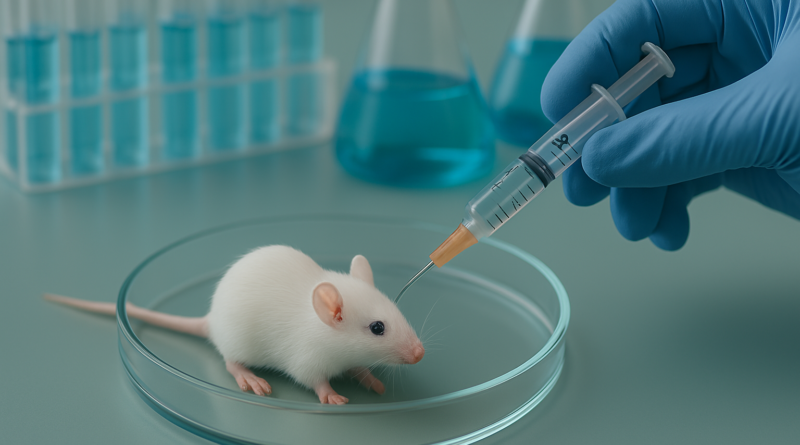
Their efforts led to the discovery of WEHI-P8, a drug-like molecule that, when administered to mice either before or shortly after infection, significantly reduced viral load and inflammation.
Superior to Paxlovid in Early Testing
When compared to Paxlovid, the leading antiviral currently in use which targets the virus’s Mpro protein, WEHI-P8 showed stronger protective effects in key areas such as lung and brain inflammation, both major concerns in long COVID. However, the results were less promising in preventing heart and gut inflammation.
“Our study has provided the first evidence to prove PLpro is a powerful new drug target for COVID-19 treatments,” said Dr. Shane Devine, part of the research team.
Why WEHI-P8 Could Matter More Than Paxlovid
One of the major limitations of Paxlovid is its interaction with other medications, which makes it unsuitable for many patients. Moreover, mutations in SARS-CoV-2 could soon render it ineffective. By contrast, WEHI-P8 could serve as a complementary or even superior treatment, especially for preventing long-term complications.
WEHI-P8 also shows potential effectiveness against other coronaviruses, raising the possibility it could serve as a broad-spectrum antiviral in the face of future pandemics.
Human Trials: The Next Hurdle
Despite the promising results, WEHI-P8 is still far from being used in clinical settings. “Clinical trials are expensive,” said Dr. Bader. “We’re actively looking for a partner to help us take this forward.”
If human trials confirm safety and efficacy, WEHI-P8 could become a critical tool in preventing long COVID or even help in treating viral-triggered conditions like Chronic Fatigue Syndrome (CFS) in the future.
A Potential Lifesaver in Future Outbreaks
The WEHI team emphasizes that their work not only targets today’s health crisis, but also prepares for tomorrow’s. “If the next pandemic is caused by another coronavirus, WEHI-P8 might be ready,” Dr. Bader added.