


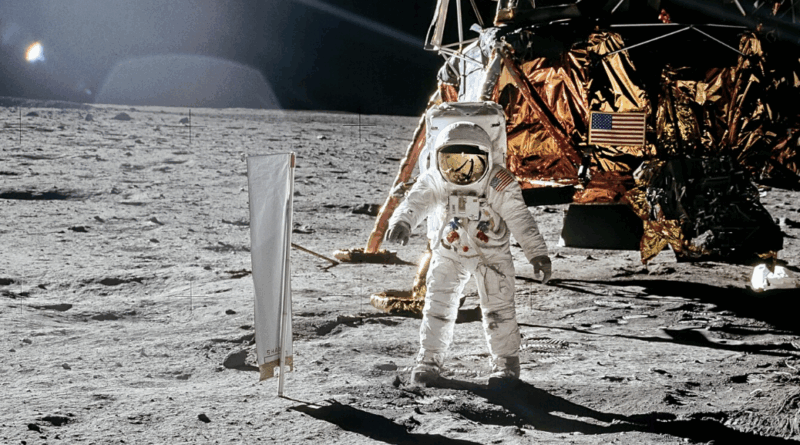
NASA Eyes Nuclear Reactor on Moon by 2030
In a bold and controversial move, NASA interim administrator Sean Duffy—a former Trump administration official and ex-Fox News host—plans to announce a fast-tracked initiative to place a nuclear reactor on the Moon by 2030, according to an exclusive report by Politico. The proposal emerges amid a heated public dispute between Donald Trump and Elon Musk, which also resulted in the rescinding of Jared Isaacman’s nomination to head NASA.
The announcement is expected to raise pressing questions about feasibility, safety, and geopolitical motivations, especially as the U.S. grapples with cuts to its science programs and increased reliance on private space companies.
🚀 Why Put a Nuclear Reactor on the Moon?
While placing a nuclear reactor on the Moon might sound radical, experts argue it is scientifically sound. The Moon’s 14-day-long nights and limited solar exposure make consistent power generation extremely challenging. Though solar panels on the Peaks of Eternal Light—areas near the lunar poles where the Sun never sets—could provide some energy, those locations are scarce and highly contested.
A nuclear fission reactor, however, could generate continuous power for decades, regardless of location or sunlight. It’s particularly attractive for powering permanent lunar bases near dark polar craters, such as the Crater of Eternal Darkness, where trapped water ice could be crucial for future colonization.
🌐 The Geopolitical Race: U.S. vs. China–Russia
Just two months ago, China and Russia signed an agreement to build their own Moon-based nuclear reactor by 2036, further escalating the new space race. Although no country can claim territory in space under the 1967 Outer Space Treaty, placing a nuclear reactor creates a “safety exclusion zone,” effectively giving the host nation de facto control over surrounding lunar real estate.
⚠️ Experts Warn the Timeline Is Unrealistic
While NASA has been developing small-scale reactors like KRUSTY (Kilopower Reactor Using Stirling Technology) and working with private firms on its Fission Surface Power project, experts caution that 2030 is an overly ambitious goal.
The current plan calls for a 100-kilowatt reactor, more than double the 40-kilowatt output originally targeted, and small enough to fit on a 6,000 kg lunar lander. Yet issues like cooling, material logistics, and safe transportation of uranium remain unsolved.
Cooling is especially challenging. Earth-based reactors use billions of liters of water, while the Moon’s water—buried deep in permanently shadowed craters—is scarce and difficult to extract. Passive cooling methods, like those in KRUSTY, might not scale up effectively for larger reactors.
🚧 The Launch Problem: Rockets Still Exploding
Perhaps the biggest obstacle is how to get the reactor to the Moon. SpaceX’s Starship, a likely candidate, has suffered multiple explosive test flights. Blue Origin’s Blue Moon lander is also under development but not yet flight-proven.
Even if prototypes are ready, no margin for error exists. Launching and landing nuclear material requires unprecedented precision and safety, and rushing the timeline could result in disaster.
🧠 The Bottom Line: Visionary but Rushed?
A nuclear reactor on the Moon is not inherently dangerous or irrational—it could play a critical role in enabling sustained lunar exploration and human habitation. However, experts urge caution. The politically driven 2030 deadline, especially under a fractured space policy agenda, may be too soon for comfort.