


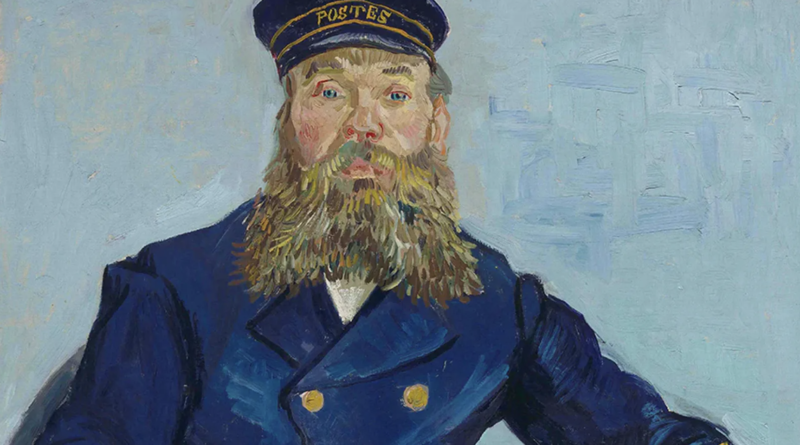
Vincent van Gogh: The Passionate Soul Who Painted Through Pain
Vincent van Gogh stands as one of the most emotionally resonant and impactful figures in art history. Though his life was riddled with hardship and obscurity, his work would later become a symbol of raw human emotion, mental resilience, and artistic revolution. This article explores van Gogh’s turbulent life, his masterpieces, inner world, vision, and lasting contribution to modern art and cultural consciousness.
Tormented Beginnings of a Troubled Genius
Born on March 30, 1853, in Zundert, Netherlands, Vincent van Gogh led a life of restlessness and deep emotional conflict. Raised in a religious household, he initially pursued a path in theology and missionary work before discovering his true calling—painting. He did not begin seriously producing art until his late twenties, and his career lasted barely over a decade.
During his lifetime, van Gogh struggled with poverty, social rejection, and mental illness. He famously wrote over 800 letters, many to his brother Theo, revealing his thoughts, dreams, and despair. “I put my heart and soul into my work, and I have lost my mind in the process,” he once confessed—summarizing the pain-laced brilliance that fueled his art.
Masterpieces That Express the Soul
Van Gogh’s style is instantly recognizable: bold brushstrokes, vibrant colors, and emotional intensity. His works were not only visual depictions but emotional diaries—each canvas capturing an inner storm or fleeting joy.
Some of his most iconic works include:
-
Starry Night (1889): Painted while van Gogh was in a mental asylum in Saint-Rémy, this swirling night sky has become a global symbol of beauty amidst turmoil.
-
Sunflowers (1888): A series that celebrates life, warmth, and fragility. These paintings are among the most reproduced in art history.
-
The Bedroom (1888): A peaceful yet subtly tense portrayal of his living space, revealing van Gogh’s desire for stability and comfort.
-
Wheatfield with Crows (1890): Believed to be one of his last works, this painting reflects a haunting sense of foreboding and the raw beauty of nature.
His ability to transform personal anguish into transcendent beauty makes his work both timeless and deeply human.
A Complex and Sensitive Personality
Vincent van Gogh was not the “mad artist” stereotype as often portrayed. He was deeply intelligent, thoughtful, and sensitive to the human condition. Despite his inner torment, he sought connection, meaning, and purpose through painting.
His relationship with Theo was his emotional anchor. In a letter dated July 1880, he wrote, “What am I in the eyes of most people? A nonentity, an eccentric, or an unpleasant person… but even then, I shall not resign myself to it; I will show what I am capable of.”
Van Gogh’s introspection and spiritual intensity can still be felt in every stroke of his brush.
A Vision That Changed the Art World
Van Gogh rejected traditional techniques in favor of raw expression. He painted what he felt, not just what he saw. This emotive approach laid the foundation for Expressionism and inspired generations of artists—from Edvard Munch to Jackson Pollock.
Though he sold only one painting during his lifetime, his work exploded in value and importance posthumously, marking him as a central figure in the evolution of modern art. Museums dedicated to his legacy, especially the Van Gogh Museum in Amsterdam, attract millions of visitors each year.
A Legacy Born from Tragedy and Truth
Vincent van Gogh died by suicide in July 1890 at the age of 37. His final words to Theo reportedly were: “The sadness will last forever.” Yet ironically, his work continues to bring comfort, inspiration, and joy to people worldwide.
Today, van Gogh symbolizes the tortured artist archetype—but more importantly, he stands as proof that from immense pain can come profound beauty and from silence, a voice that echoes across centuries.